
Overview
I had the privilege of completing the sales unit at Praxis. It means the most that I can share it on here, and I hope you take the time to read over everything I have placed on this page. Enjoy this free intro to sales!
Supply and Demand
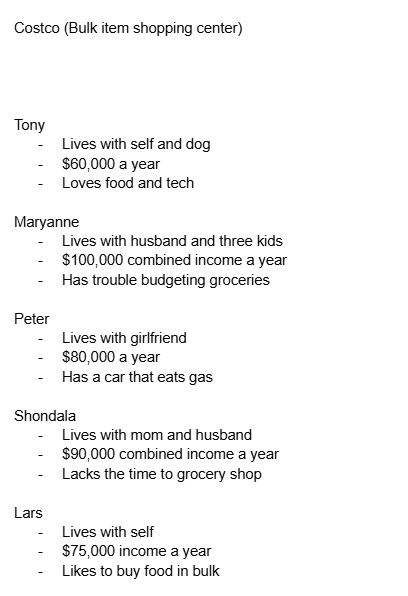
The first and most important part of Sales is understanding the basis of successful products: supply and demand. In the world we live in, there is a demand for everything and everyone. The beauty of sales is learning how to capitalize off it. Above I have provided a Problems & Personas example, which is a small document I put together to exemplify how to match demands to a supply.
The Buyer’s Journey
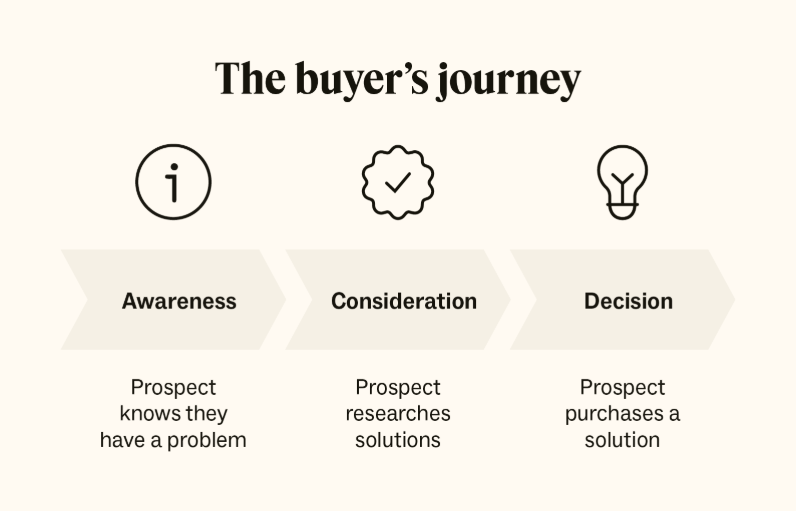
Another crucial step to the art of sales is understanding the buyer’s journey. There are three parts to buyer’s journey that I’m sure you have used in your own purchases: Awareness, Consideration, and Decision. I have placed a visual explanation above.
Prospects vs Suspects
Understanding prospects vs. suspects is what separates the big fish from the little fish. Prospects are people you know will match or at least come close to the criteria of the product you are selling. Suspects are someone who could maybe possibly need/want your product, but not guaranteed.
Sales Funnel
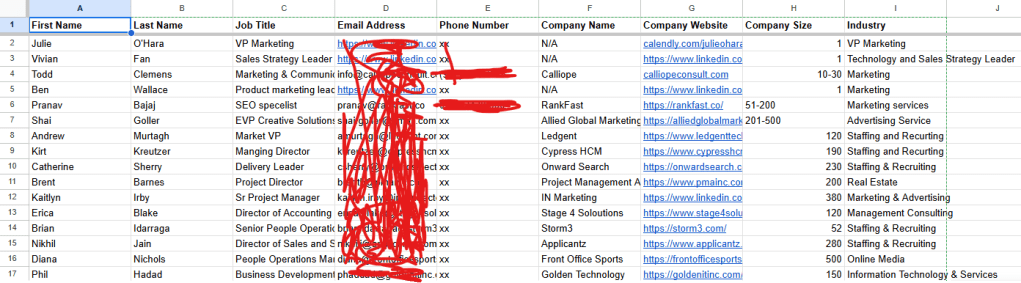
A Sales Funnel is a spreadsheet of potential buyers that you wish to contact with your product. A sales should include things such as a name, company, line of business, and contact information. Above I have included my practice sales funnel for the program Slack.
Sales Sequence
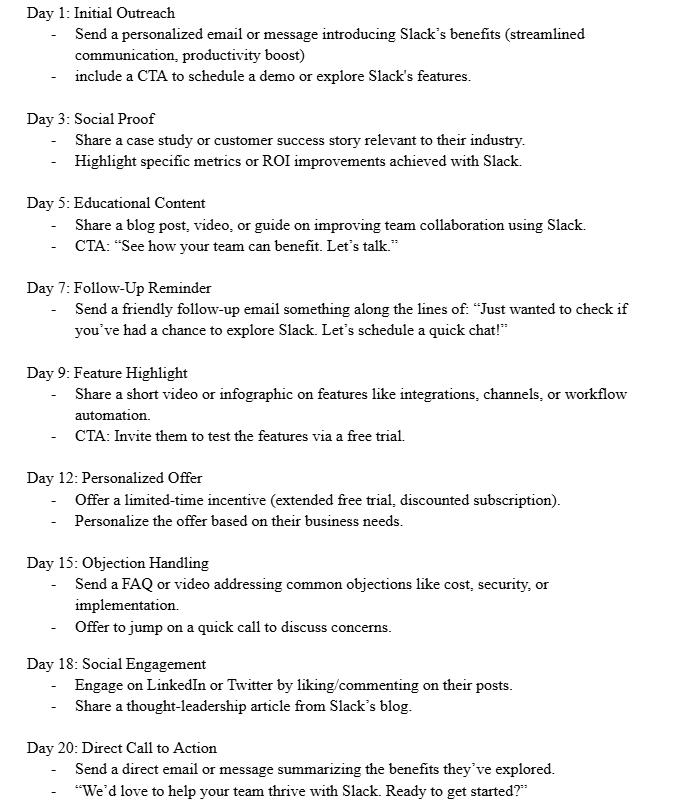
Building a proper sales sequence is important in order to get the word out about your product. A Sales Sequence consists of selling a product through a detailed list of calls and emails to a prospect. Above is a template of how I would go about my sales sequence and to the right is an example email to someone on my list.

 Kalman's Blog